
Hands, Hills, and Harbors
Welcome to a slow, tactile journey we call Alpine-Adriatic Analog Living, where the Julian Alps lean toward bright harbors, Karst stone tastes of wind and salt, and days are shaped by hand, breath, and shared tables. Here we trade notifications for bell chimes, pixels for paper grain, and speed for conversations that last long enough to steep. Join us as we explore rituals, crafts, and foodways grounded in place and patience. Share your own practices, subscribe for field notes and recipes, and write back with the analog habits you’re reviving at the meeting point of mountains and sea.
From Summit Mornings to Salt-Tanged Evenings
Daily rhythms stretch like a footpath from snow-shadowed ridges down to lantern-lit quays. Breakfasts are quiet and warm, middays taste of stone and wind, and evenings unwrap slowly with voices echoing over water. Along the Soča’s green turns and across the Karst plateau, time moves by footsteps, stove crackles, knife strokes, and distant foghorns. Each hour asks: what can your hands do, what can your ears hear, and what can your heart hold without a screen between you and the world you inhabit today?
Tools That Ask for Patience
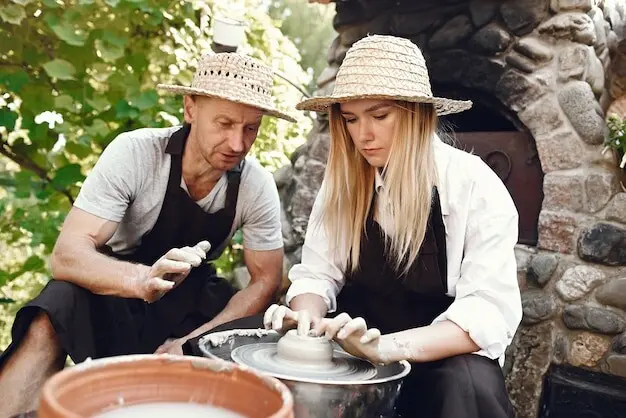
When work respects slowness, tools become companions rather than shortcuts. A nib that needs cleaning rewards you with lines that breathe; a camera that advances by thumb lever gifts intentional frames; a knife that demands a whetstone answers with trust. These objects carry fingerprints, nicks, and stories, turning maintenance into meditation. Each session begins with preparation—filling, loading, honing—and ends with putting things away deliberately, so tomorrow’s hands can begin again without friction, clutter, or apology.
Cheeses with Altitude
In a stone dairy above a cold stream, copper cauldrons release milky fog as wheels are turned by hands that learned from elders. You taste straw, flowers, and animal warmth wrapped in salt and patience. Rinds tell stories of caves and cloth. Each slice teaches restraint: let temperature rise, breathe, and only then decide on pairings. A heel of bread, a spoon of jam, and one quiet chair become a feast worthy of weather talk.
Oil, Citrus, and Wild Greens
Glass bottles carry liquid light pressed from gnarled trees that know wind better than any weathervane. You crush wild fennel, shave lemon zest, and collect bitter greens after soft rain. A skillet hisses while garlic arcs from sharp to sweet. Dishes involve few ingredients, assembled with attention, echoing the shoreline’s simplicity. Each drizzle tastes of stone and sun, reminding you that abundance often hides in restraint, and that appetite grows patient when flavors have room to breathe.
Salt, Smoke, and Fermentation
In a pantry that stays cool even at noon, jars line up like a library: pickled peppers, anchovies sleeping in salt, kraut whispering under a linen cap. A small smoker perfumes autumn, and fish hang beside sprigs of bay. You label in fountain pen, date carefully, and stack crates of potatoes next to citrus. Come storms, you are wealthy in jars and time, able to feed neighbors and collect stories while kettles thrummingly agree.
Journeys at the Speed of Breath
Movement becomes a conversation with terrain rather than a conquest of distance. You plan with paper maps, pencil loops, and weather notes scribbled at breakfast. The road invites pedals; the path welcomes soles; the water asks for rhythm more than power. Slowness sharpens noticing—lichen faces, boat wakes, bakery scents. Arrivals feel like earned companionships, not trophies. Every return home begins with wiping dust from shoes, rinsing salt from hair, and jotting a line about something small you never want to forget.
Neighbors, Guilds, and Shared Tables
Belonging grows where names are learned and favors circulate like bowls of stew. Markets, workshops, and choir lofts double as classrooms where the curriculum is patience and reciprocity. Listening becomes participation; buying becomes friendship; recipes become inheritance. You exchange tools, seedlings, and addresses written carefully on postcards. Hospitality is not performative; it is rhythmic. It builds a commons where slow practices thrive because they are seen, supported, and celebrated across seasons and generations.
Shelters Built of Stone, Wood, and Habit
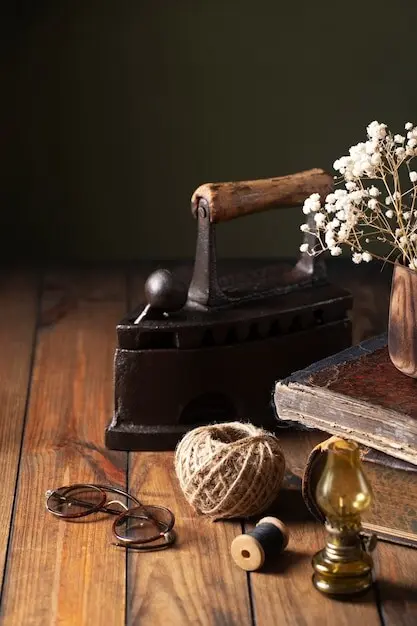
Homes in this corridor of peaks and harbors feel handmade even when modest. Interiors encourage tasks that require hands and invite quiet: a table with honest scars, shelves of jars, pegs for tools, a windowed corner for ink and thought. Materials are local, beautiful, and repairable. Hospitality is ambient, like the scent of drying herbs. You curate routines to match light and weather, designing not for status but for usefulness, calm, and daily return.
A heavy pot anchors the day, simmering polenta or beans while letters pile beside a ceramic salt cellar. The stove’s slow heat sets the household tempo, encouraging tasks that unfold without rush: grinding coffee by hand, mending linen, labeling jars. Shelves display cast-iron, clay, and copper like trusted elders. Dinner starts long before hunger, and the room’s warmth lingers after dishes dry, extending conversation into the kind of silence friendships cherish.
By a window that frames vines and rooflines, a wooden desk holds index cards, envelopes, a pencil cup, and a small stamp pad. You keep analog boards for projects, clipping photos, recipes, and trail notes. When the bell tolls the hour, you switch pens, sharpen pencils, and breathe. The ritual separates tasks without scolding, turning focus into something felt, not forced. Before bed, you write three lines you want tomorrow to remember.
A pergola stitches shade across uneven stone, and a fig tree promises both fruit and birdsong. Rainwater gathers in a barrel that shines like a dark mirror. Neighbors trade cuttings, borrow sieves, and return jars with handwritten thanks. Laundry sways beside herb bundles that crisp slowly in coastal air. Evenings invite lanterns, a deck of cards, and unhurried talk. Leave a note before you go, or better yet, stay and help wash glasses.
All Rights Reserved.